Untangling the Grid: Navigating Legal Barriers for Intelligent Energy Solutions That Are Sustainable
By: Rachel Thury
The 21st century brings with it an ever-growing need for sustainable energy systems that can endure modern challenges. Energy grids from the past are now struggling because they were constructed to support centralized fossil fuel power plants which no longer meet today’s demands. These traditional systems were not designed to handle the decentralized, dynamic flows of renewable energy, nor to adapt to increasingly digital energy demands.[1]
Fortunately, Smart Grid technology offers a powerful alternative. However, its full potential remains hindered by regulatory, legal, and technical barriers—many of which are rooted in outdated laws and bureaucratic inertia.
Smart Grids integrate modern telecommunications and sensing strategies to enhance electricity delivery.[2] They support bidirectional power and information flows, meaning consumers can not only use energy but also contribute to it—whether through rooftop solar, electric vehicles, or battery storage.[3] Smart Grids promise increased efficiency, lower emissions, better reliability, and more responsive service. Yet widespread adoption remains slow, especially when legal structures have not caught up with technological advances.
One of the most critical legal challenges lies at the intersection of Smart Grids and renewable energy deployment. Much of the regulatory framework that governs energy infrastructure was crafted when fossil fuels dominated the market. Land use laws, local zoning ordinances, building codes, and environmental permitting procedures often create inadvertent roadblocks to clean energy development.[4]
Zoning laws, for instance, can restrict where renewable projects can be built. Some municipalities classify solar farms as “industrial” facilities, preventing their installation on farmland—even though solar projects typically have minimal environmental impact and can coexist with agriculture.[5] Similarly, arbitrary height or setback requirements can render viable wind energy sites unusable.[6]
Permitting presents another significant bottleneck. While environmental oversight is essential to protect ecosystems and communities, the current permitting regime is lengthy and fragmented. Hydropower and large-scale solar or wind projects can take several years to navigate the full permitting gauntlet, which may include multiple layers of review from federal, state, and local authorities.[7] Ironically, renewable energy projects often face the same regulatory burdens as large fossil fuel developments, despite their cleaner footprints. These procedural inefficiencies create uncertainty and delay, deterring investment and stalling innovation.
Local opposition—frequently labeled as “Not In My Back Yard” (NIMBY) resistance—compounds the problem.[8] Even when developers satisfy zoning and permitting requirements, local stakeholders may invoke legal mechanisms like referenda, planning board appeals, or targeted ordinances to delay or block projects.[9] These objections may stem from genuine concerns about aesthetics, noise, or land use—but are often amplified by misinformation or political dynamics.[10] Without clear, consistent guidance from higher levels of government, local decisions may reflect short-term interests at odds with long-term climate and economic goals.
Smart Grid development experiences many of these hurdles. Interoperability between new and legacy systems is technically feasible but often legally complicated. Cybersecurity concerns further complicate the regulatory landscape, as attacks require seamless connectivity throughout the transmission and distribution system to enhance the energy flow coordination with real-time analysis and information.[11] Inconsistent regulations across jurisdictions make it harder to scale solutions or standardize best practices. So, what can be done?
Legal and Regulatory Solutions
Several forward-thinking reforms offer hope. At the state level, legislatures can preempt inconsistent local regulations and create model ordinances that streamline the siting of renewable energy projects. Some states already prohibit local bans on wind and solar facilities.[12] Permitting reforms can also play a key role. By establishing expedited or tiered review processes—based on a project’s environmental impact—agencies can shorten timelines without compromising oversight.[13] For example, rooftop solar or brownfield installations could undergo faster review, while larger projects might receive more comprehensive assessments. Interagency coordination is essential; a “one-stop shop” model, where applicants can navigate the entire permitting process through a single platform, could reduce redundancy and improve clarity.[14]
Public engagement is equally crucial. Developers and government agencies should prioritize transparent, early communication with communities. Outreach campaigns that explain the economic and environmental benefits of clean energy—such as lower utility bills, job creation, and pollution reduction—can build public trust and reduce opposition.[15] Benefits-sharing agreements and commitments to hire locally can further strengthen support.
Legal innovation also has a role to play. Renewable energy overlay districts, property tax incentives, and community solar programs can align local interests with state and federal climate goals.[16] The incorporation of clean energy priorities into municipal comprehensive plans and building codes enables the embedding of sustainability principles directly into land use planning.
Conclusion
A cleaner and more resilient energy future requires Smart Grids and renewable energy, but existing outdated laws and regulatory fragmentation prevent these solutions from being fully accessible. The legal system needs to develop in tandem with technological progress to remove obstacles and foster innovative development. Through zoning and permitting reforms and government coordination along with community engagement lawmakers can shift legal frameworks from obstructive elements into dynamic catalysts for change. This action will guarantee that energy law functions as both a reflection of history and an engine for our future. In doing so, they’ll help ensure that energy law not only reflects our past but powers our future.
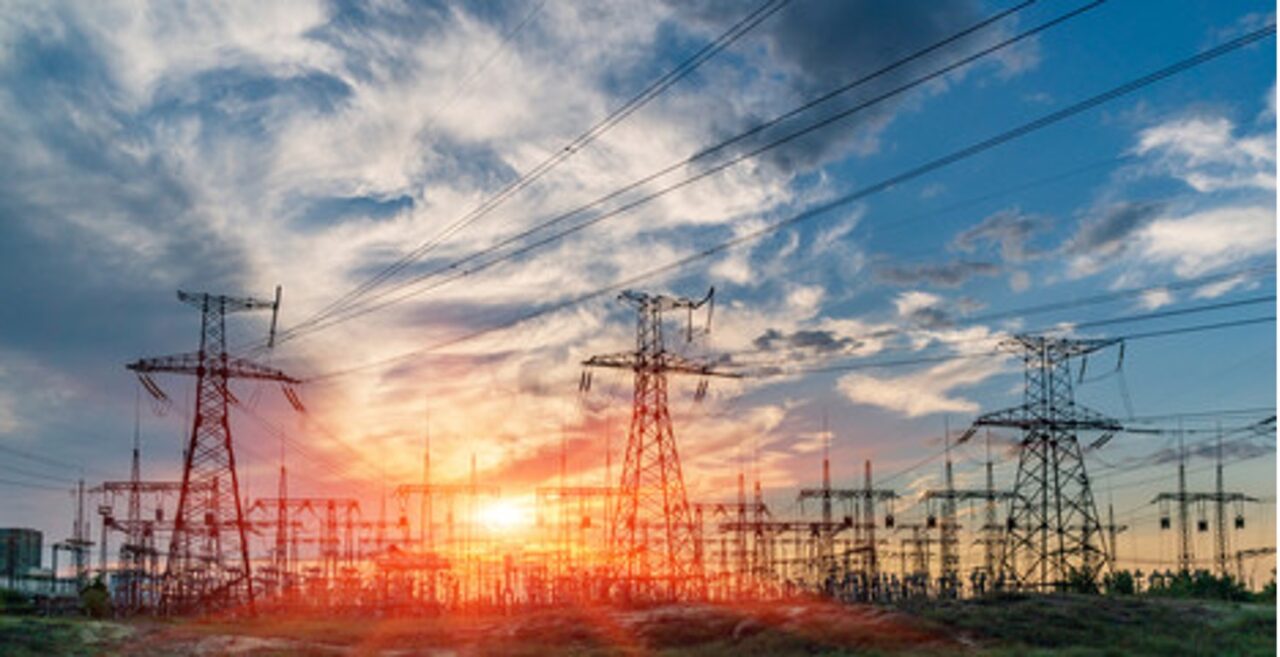
Link to Image Source: https://assets.website-files.com/62793de74a7ccf498ed9e044/6285315e7a036d515be92f14_6283c9b362983c7909fe1944_Substation%20with%20power%20lines%20(1).jpg
[1] Jadyn Powell et al., Smart Grids: A Comprehensive Survey of Challenges, Industry Applications, and Future Trends, 11 Energy Reports, June 2024, at 5760, https://www.sciencedirect.com/science/article/pii/S2352484724003299.
[2] Id.
[3] Id.
[4] Rayan Sud & Sanjay Patnaik, How Does Permitting for Clean Energy Infrastructure Work?, Brookings (Sept 28, 2022), https://www.brookings.edu/articles/how-does-permitting-for-clean-energy-infrastructure-work/.
[5] Patricia E. Salkin, The Key to Unlocking the Power of Small Scale Renewable Energy: Local Land Use Regulation, 27 J. Land Use & Env’t. L. 339, 355-58 (2012).
[6] Id. at 357-58.
[7] Aaron Levine et al., An Examination of the Hydropower Licensing and Federal Authorization Process, National Renewable Energy Laboratory (2021), https://www.nrel.gov/docs/fy22osti/79242.pdf.
[8] Salkin, supra note 5 at 355.
[9] Salkin, supra note 5 at 357.
[10] Salkin, supra note 5 at 355.
[11] Powell et al., supra note 1 at 5763.
[12] Jim Meadows, Some Midwest States Take Power to Ban Wind and Solar Projects Away f-From Local Communities, Nebraska Public Media (Feb. 14, 2024, 12:00 PM), https://nebraskapublicmedia.org/en/news/news-articles/some-midwest-states-take-power-to-ban-wind-and-solar-projects-away-from-local-communities/.
[13] Salkin, supra note 5 at 346.
[14] Nancy Okodoi & Rachel Kisiangani, Permitting for Sustainable Energy Projects, Challenges and Best Practices, ICLEI (2024), https://renewablesroadmap.iclei.org/wp-content/uploads/2024/11/Permitting-for-SE-Projects_Final.pdf.
[15] Devashree Saha, Rajat Shrestha & Phil Jordan, How a Clean Energy Economy Can Create Millions of Jobs in the U.S., World Resources Institute (Sep. 14, 2022), https://www.wri.org/insights/us-jobs-clean-energy-growth.
[16] Salkin, supra note 5 at 341.
Leave a Reply
You must be logged in to post a comment.