The first exclusively online law review.

Author: Nicholas Guy Page 1 of 2

Local Zoning and Environmental Protections: Local Communities Best Defense Against Data Centers

Local Zoning and Environmental Protections: Local Communities Best Defense Against Data Centers

By: Michael Bartz

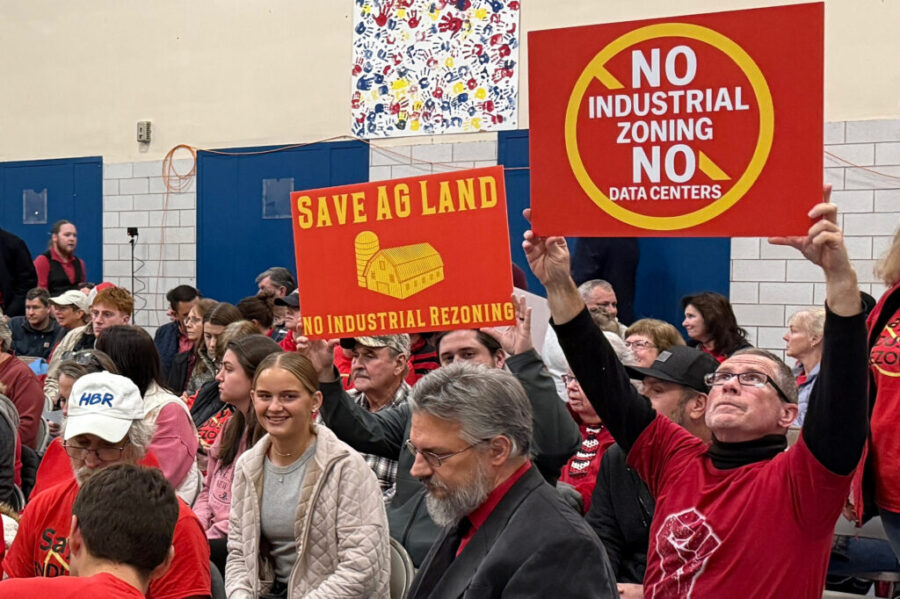
With the mass proliferation and investment in artificial intelligence, data centers are being built to keep up with ever-increasing resource requirements. The AI market is growing at roughly 40% per year and is expected to be a $1 trillion industry in 2032.[1] By 2030, global investment in data centers will amount to roughly $7 trillion, with more than 40% of the total investment being in the United States.[2] However, development of data centers across the United States is not geographically uniform. Roughly 60% of domestic data centers are in just ten states, with Virginia, Texas, and California being the most concentrated.[3] Large data centers are often built in rural communities where they can receive substantial tax breaks.[4]


Is Code Protected Speech?: 3D-Printed Firearm Files and the First Amendment

Is Code Protected Speech?: 3D-Printed Firearm Files and the First Amendment

By: Dan von Sohsten

Modern 3D printing technology has quietly upended one of the foundational assumptions behind American gun regulation, that manufacturing a firearm requires specialized tools, materials, and expertise. Today, anyone with a consumer-grade 3D printer and an internet connection can download a computer-aided design (“CAD”) file, feed it into a 3D printer or CNC machine, and produce a fully functional firearm in a matter of hours. These weapons have no serial numbers and are completely untraceable by law enforcement. Gun control advocates have labeled them “ghost guns,” and they have prompted a growing wave of state and federal regulations aimed at restricting their proliferation.[1]

Ctrl + Alt + Debate: Virginia’s Attempt to Limit Teen Screen Time

Ctrl + Alt + Debate: Virginia’s Attempt to Limit Teen Screen Time

By: Rebecca Herzog

In 2023, the U.S. Surgeon General issued an advisory about the impacts of social media on teens.[1]  While it found some benefits, it also found that “adolescents who spent more than three hours per day on social media faced double the risk of experiencing poor mental health outcomes, including symptoms of depression and anxiety.”[2]  The rapid growth of social media has changed how young people communicate, learn, and interact.  These platforms can help teens connect with friends and find supportive communities.  However, many researchers are concerned about the effects of heavy use of social media platforms on adolescent mental health.[3]  Recent debates in Virginia show the difficulty of balancing the protection of youth with constitutional rights.

From Likes to Legacy: Inheriting Social Media Accounts in the Age of Digital Assets

From Likes to Legacy: Inheriting Social Media Accounts in the Age of Digital Assets

By: Madison Daub

People spend their entire lives collecting things: memories, possessions, money. But in the last quarter of a century, people have started collecting something new: followers. Society has experienced an explosion of social media platforms and Internet usage, resulting in the line between business and personal use of social media accounts exponentially blurring. What was once a fun and simple way to interact and stay connected with friends and family has now become flooded with advertisements and people known as “influencers” – individuals who use social media to influence others to act or behave in a certain way or to purchase certain products.[1] The grip social media has on the lives of its users creates ideal marketing opportunities for brands and companies where they can partner with and pay influencers to promote products or services on their social media accounts.[2] The precise amount of money influencers can make varies, and most utilize more than one social media platform to maximize their ability to generate income.[3] Many influencers generate enough money that their only job is to manage their social media accounts.[4] As of 2024, the influencer sector is worth approximately $250 billion.[5]

Coercive Control Goes Digital: Why U.S. Domestic Violence Law Must Catch Up

Coercive Control Goes Digital: Why U.S. Domestic Violence Law Must Catch Up

By: Paris Williams

U.S. domestic violence law was built on a legal framework that prioritized physical harm and visible injury.[1] Historically, American courts and law enforcement were reluctant to intervene in domestic matters, citing the sanctity of the home and a constitutional zone of privacy.[2] This narrow focus left victims of psychological, economic, and nonphysical abuse without meaningful protection.[3]

Prediction Markets Come in From the Cold

Prediction Markets Come in From the Cold

By: Sabeeka Khan

Imagine a market where you can trade on whether a popular video game releases before December 2026, whether a CEO mentions “growth” on an earnings call, or whether the Supreme Court makes a particular ruling. Prices move up and down based on the collective beliefs about future events and a “share” priced at ten cents today promises one dollar if the event happens by the deadline. This is a new reality. Prediction markets operate just like stock markets, instead of betting on the financial growth of companies like Apple or Amazon, participants bet on the likelihood of real-world events.[1]

Trademarks For Your Online Business: Are You Conducting Interstate Commerce?

Trademarks For Your Online Business: Are You Conducting Interstate Commerce?

By: Skylar Shafer

Under the Lanham Act, to register a trademark and receive protection under federal law, a mark must be used in or actively affect interstate commerce.[1] For traditional cases of physical commerce, the interstate commerce test has been refined over centuries.[2] This interstate component as a means of getting access to federal loss is not new, and is instead based on the Commerce Clause.[3] But what about when that commerce is over the internet? How do we determine if it is interstate commerce? How can a business-owner know if they can register their trademark or not? Let’s get into it.

Untangling the Grid: Navigating Legal Barriers for Intelligent Energy Solutions That Are Sustainable

Untangling the Grid: Navigating Legal Barriers for Intelligent Energy Solutions That Are Sustainable

By: Rachel Thury

The 21st century brings with it an ever-growing need for sustainable energy systems that can endure modern challenges. Energy grids from the past are now struggling because they were constructed to support centralized fossil fuel power plants which no longer meet today’s demands. These traditional systems were not designed to handle the decentralized, dynamic flows of renewable energy, nor to adapt to increasingly digital energy demands.[1]

When Protecting Your Patent Goes Wrong – Strava v. Garmin. By: Theresa Small

When Protecting Your Patent Goes Wrong – Strava v. Garmin.

By: Theresa Small

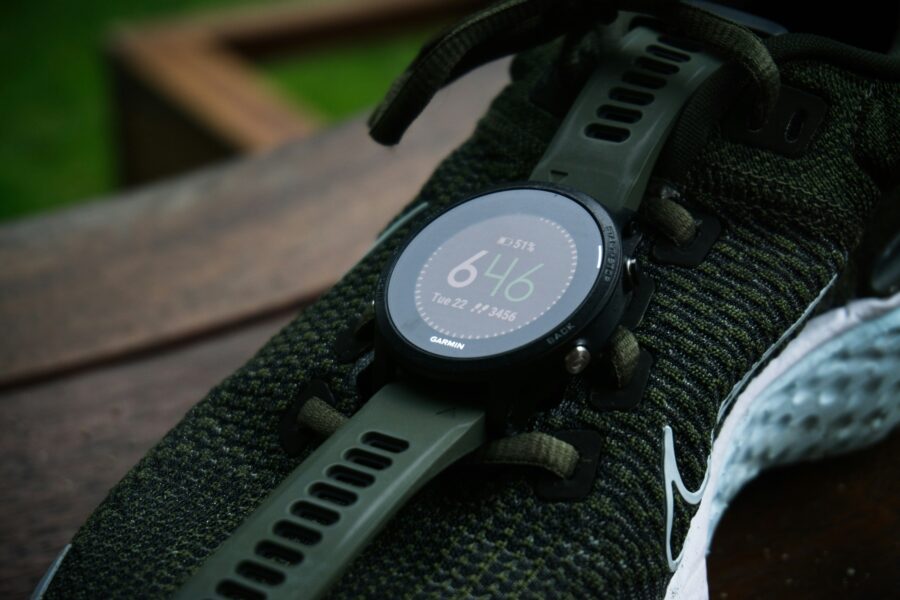
Most endurance athletes have heard of the titan of the GPS tracking industry – Garmin. Garmin was founded in 1989 by two electrical engineers and since then they have risen to not only global prominence but dominance.[1] Their watches range anywhere from a few hundred (the average being around four hundred) to two thousand dollars.[2] A good GPS watch is an endurance athletes best friend, from tracking heart rate, to sleep, workouts, calories burned, stress on the body. Garmin even recommends workouts for you based on the data it has collected.[3]

Page 1 of 2

Powered by WordPress & Theme by Anders Norén