
From Likes to Legacy: Inheriting Social Media Accounts in the Age of Digital Assets
By: Madison Daub
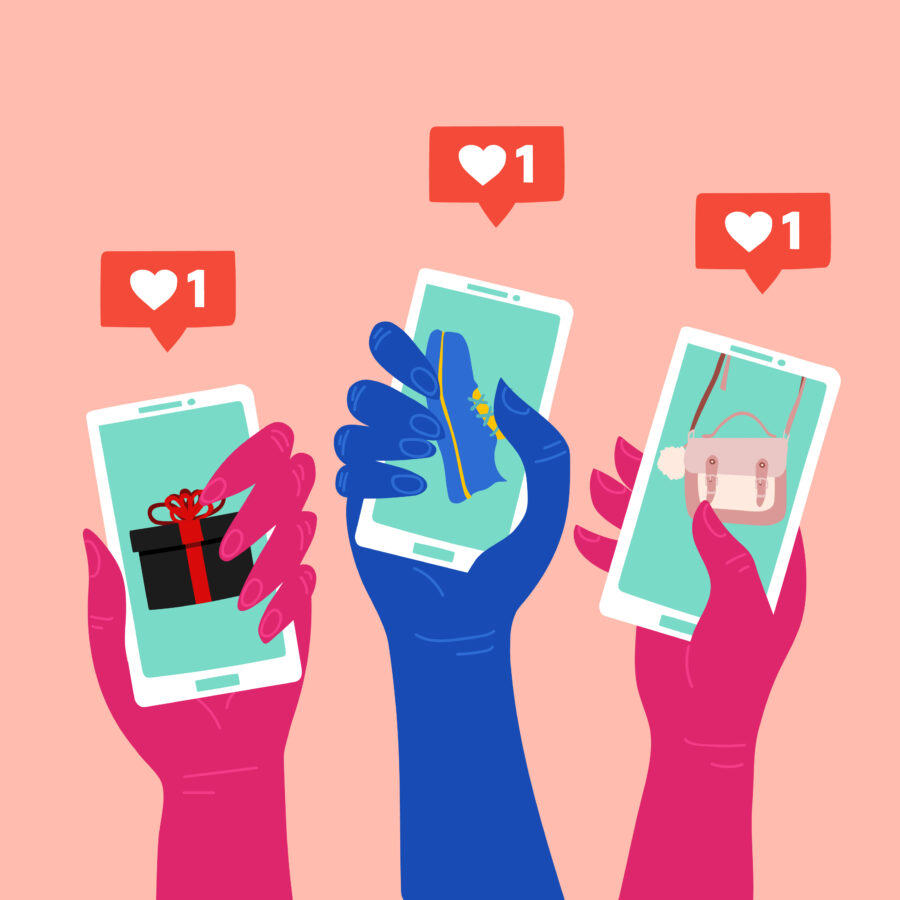
People spend their entire lives collecting things: memories, possessions, money. But in the last quarter of a century, people have started collecting something new: followers. Society has experienced an explosion of social media platforms and Internet usage, resulting in the line between business and personal use of social media accounts exponentially blurring. What was once a fun and simple way to interact and stay connected with friends and family has now become flooded with advertisements and people known as “influencers” – individuals who use social media to influence others to act or behave in a certain way or to purchase certain products.[1] The grip social media has on the lives of its users creates ideal marketing opportunities for brands and companies where they can partner with and pay influencers to promote products or services on their social media accounts.[2] The precise amount of money influencers can make varies, and most utilize more than one social media platform to maximize their ability to generate income.[3] Many influencers generate enough money that their only job is to manage their social media accounts.[4] As of 2024, the influencer sector is worth approximately $250 billion.[5]